
Elden Ring Nightreign's Deep of Night has become the sort of endgame that veterans keep asking for: a ranked mode that does not simply extend a run forever, but forces players to climb or slide through Depths ranks with every win and loss. Originally surfaced by dataminers, the mode is now part of the 2026 conversation around Nightreign, and its appeal is easy to understand. What separates a ranked endurance mode from a standard expedition? The answer is pressure. Deep of Night is not endless in the literal sense of one run rolling on day after day. It is endless in the sense that rank progress keeps pulling players back, win or lose.
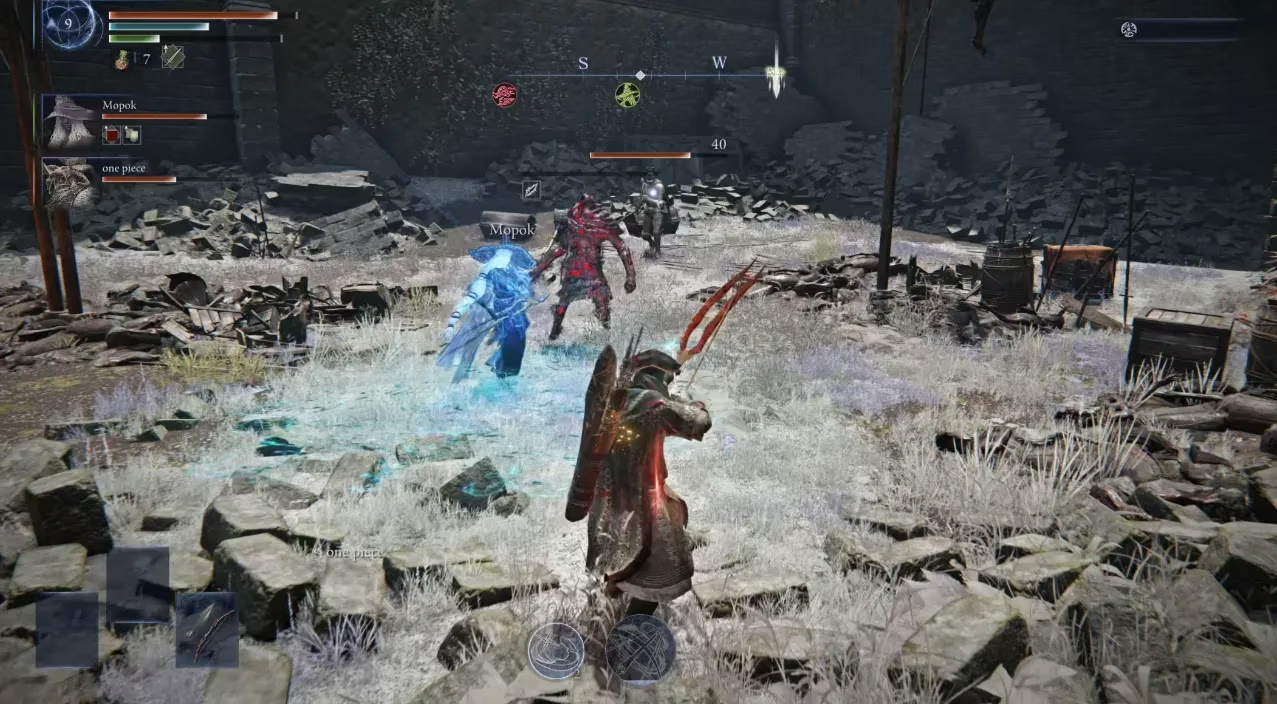
At its core, Deep of Night remains familiar. Players still undertake a two-day expedition, then face a Nightlord finale. The maps are the same, and the enemy families are largely the same. The difference is escalation. Regular grunts hit harder. Red-tinged mutants appear as souped-up versions of familiar foes. They are another step above what players expect, but fighting them pays off with weapons that carry additional and more powerful effects.
One composite bow granted improved sorceries and a 28% increase in damage negation. Other drops have produced effects such as glintblades and increased range. FromSoftware, however, is not handing out party favors. The new weapons also carry debuffs: reduced flask HP restoration, a hit to the FP meter, or decreased damage negation while using a flask. Players who grab loot without reading it can walk into a particularly harsh penalty.
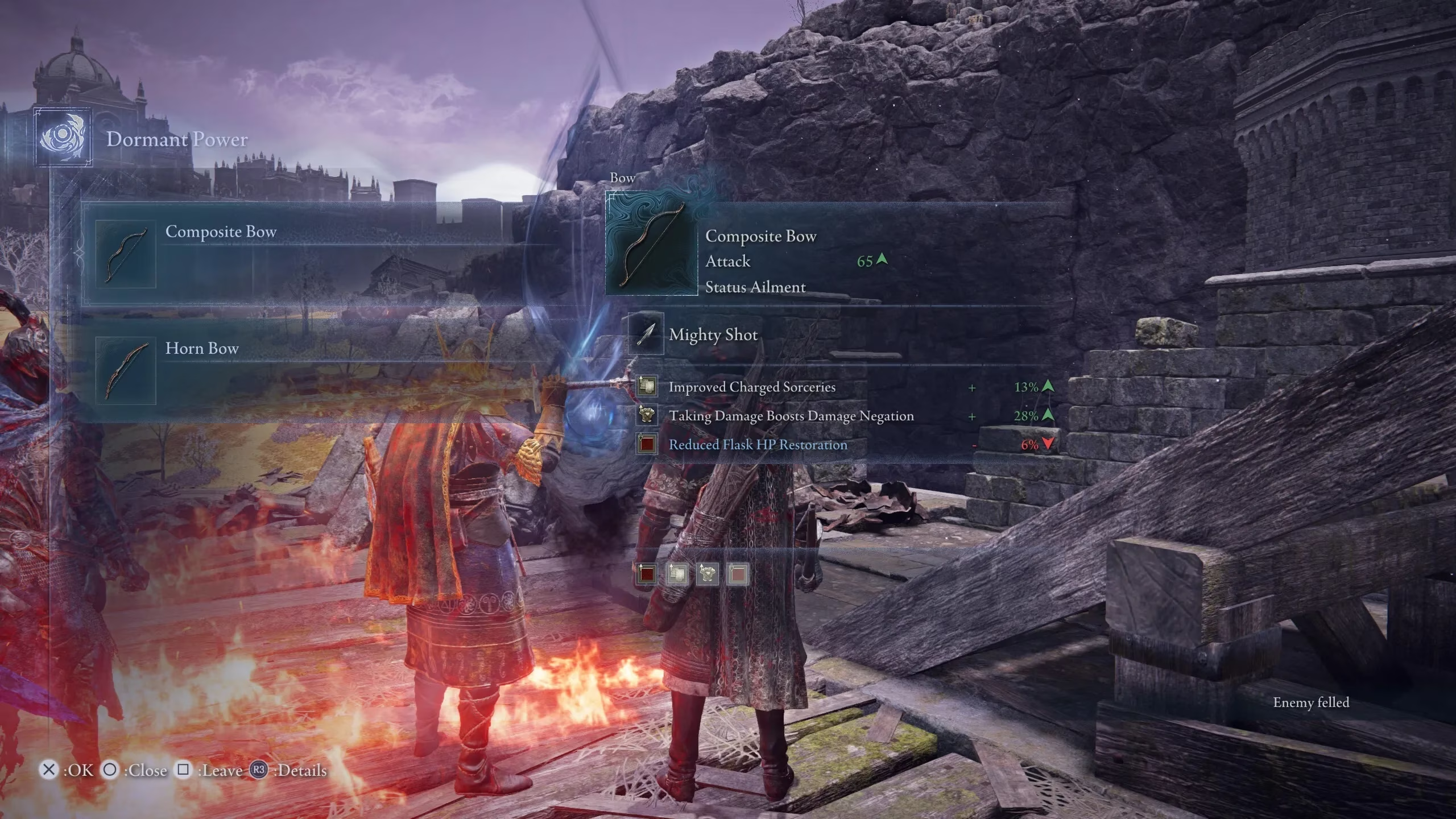
Depths Relics form the second pillar of the mode. They are handed out alongside regular relics at the end of each run, and they grant additional effects that are not found in the base game. That also means they cannot be used in regular runs. Like the new weapons, these relics come with debuffs. One relic improved sorceries but reduced dexterity and faith. Another improved lightning damage negation but caused blood loss buildup when taking damage. A third improved vigor and strength for Ironeye but reduced dexterity. Dormant powers attached to relics add another layer: they can grant new items such as Opaline Hardtears at the start of an expedition or allow players to discover more of a weapon type such as Great Hammers.
| Element | Effect |
|---|---|
| 📈 Ranked Depths | Wins and losses move players up or down, with difficulty scaling by rank. |
| 👹 Mutants | Red-tinged enemies hit harder and drop weapons with stronger effects. |
| ⚔️ High-risk weapons | Two buffs plus penalties such as lower flask healing or FP. |
| 🎲 Depths Relics | New effects, dormant powers, and debuffs; unusable in regular runs. |
| 🌫️ Higher-rank opacity | Nightlord and points of interest may be hidden. |
Progression in Deep of Night is tied to Depths ranks, and the mode is designed to scale. At lower ranks, players can see who they are fighting on the third day when they enter the hero select menu and on the map, so they can gather weapons and effects accordingly. At higher ratings, roadblocks may include not knowing which Nightlord awaits or not having points of interest show up on the map. That design turns information itself into a resource. Is that not exactly the kind of pressure a hardened playerbase wants? It is not merely difficulty through bigger numbers; it is difficulty through uncertainty.
Nightlord selection is not player-driven. Early runs saw Tricephalos and Gaping Jaw, but an Everdark Sovereign is possible. Given Nightreign's surprisingly limited map-seed randomness, players may eventually map the mode's patterns, but early on the unknown is part of the threat. The mode is not meant to be radically different at its early stages. It is meant to scale. As players progress through the Depths, harder enemies and Nightlords appear. The mode becomes more interesting and harder the more time is spent with it.
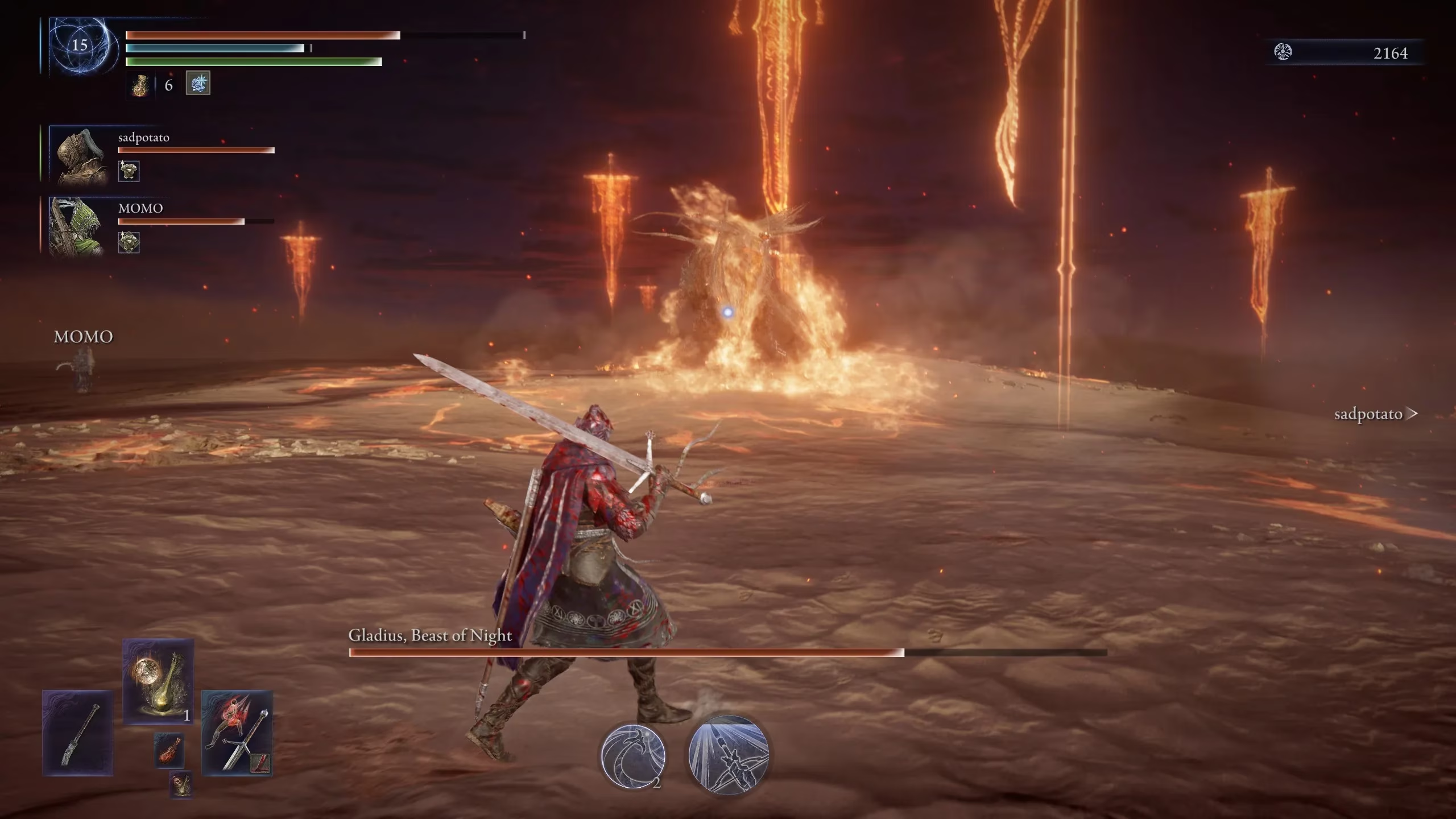
For a game whose community has already ripped through Nightlords and Everdark Sovereigns, that is the right direction. Expeditions had started to go stale for experienced groups; fights no longer had the same kick. Deep of Night gives veterans a reason to care about loot again, to read debuffs before equipping a prize, and to treat each run as part of a longer climb. In 2026, that is a meaningful hook. The mode is not a revolution, but it is a sharper endgame for players who have already proven they can survive the ordinary one.